Italian food is the easiest cuisine in the world to pair and the easiest cuisine in the world to get wrong. Easy to pair because the country has spent 2000 years inventing wines that sit beside their regional dishes, so you almost can’t pick a bad match if you follow the geography. Easy to get wrong because the default Australian approach (a big New World Shiraz over a plate of pasta) is somewhere between a missed opportunity and a mild insult to a Tuscan grandmother.
Here is the honest truth about Italian food and drink. The right pour is almost always lighter, drier, and more acidic than you think. The aperitivo matters more than the dinner drink. Bubbles are never the wrong answer. And if you pour a Negroni before the meal, you have bought yourself 20 years of credit in most households.
This is the pairing conversation Italy has been having with itself since the 1200s. Our job is to pay attention.
The Italian drinks rhythm
Italians drink the way they eat: in stages, each with a purpose.
-
Aperitivo. Before dinner. Short, bitter, bubbly. Builds the appetite, not the buzz. Think Campari and soda, Negroni, Aperol Spritz, a glass of Prosecco.
-
Antipasti and primi. Bubbles or a bright white. Crispness to match the salumi, the olive oil, the vinegar. Prosecco, Gavi, Vermentino, or a lean Soave.
-
Secondi. A medium-bodied red. Sangiovese for Tuscan food. Nebbiolo for Piedmontese. Nero d’Avola for Sicilian. The wine matches the region, not the recipe.
-
Dolce and caffè. Sweet wine, or a small espresso with an amaro or grappa on the side.
Skip any stage and the meal still works. Do all four and you are eating like someone who has figured out Saturday night.
The cocktails that go with this food
Italy drinks in stages. Bitter before dinner, bubbles through it, something sweet at the end. These are the three pours that carry an Italian table.
Aperitivo · Gin
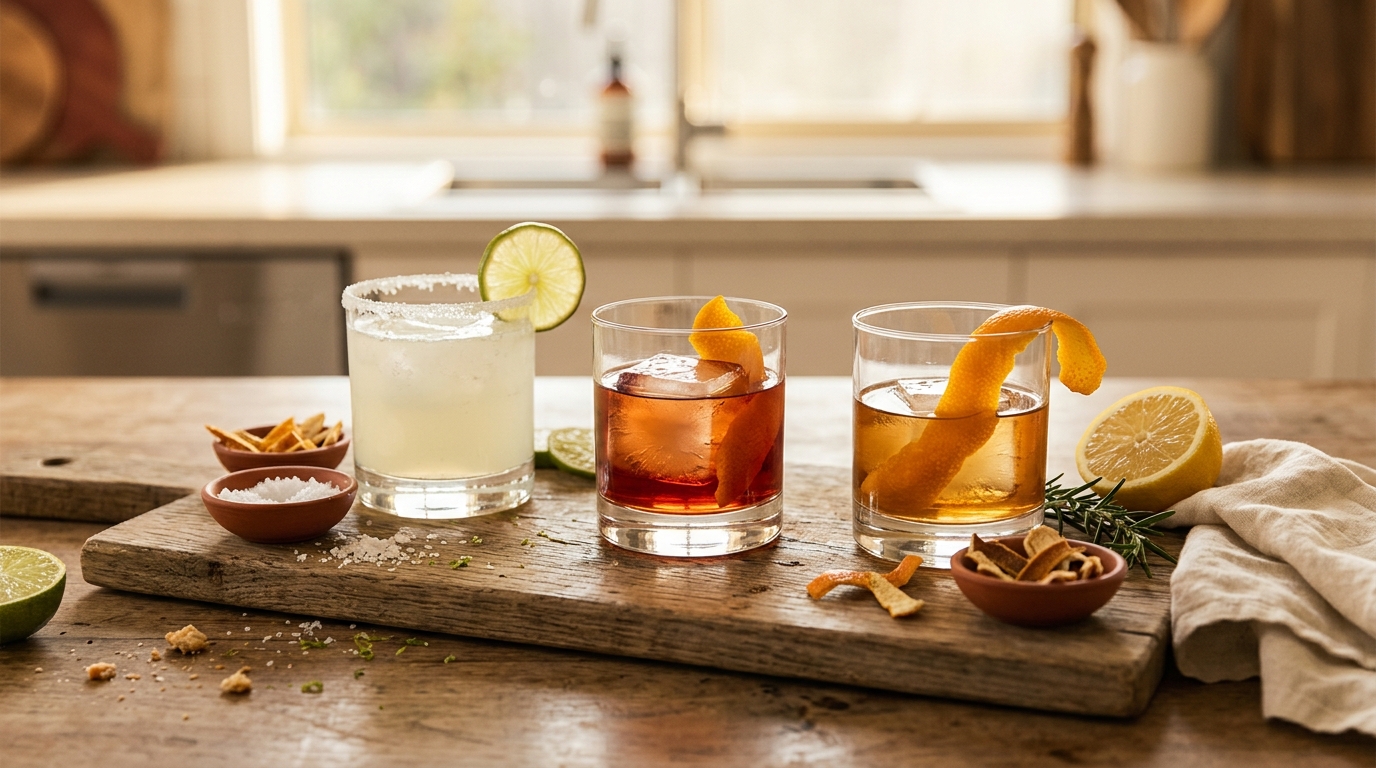
The Negroni
The benchmark pre-dinner cocktail. Gin, Campari, sweet vermouth over ice with a fat orange twist. Sharpens the appetite rather than filling it.
Aperitivo · Prosecco
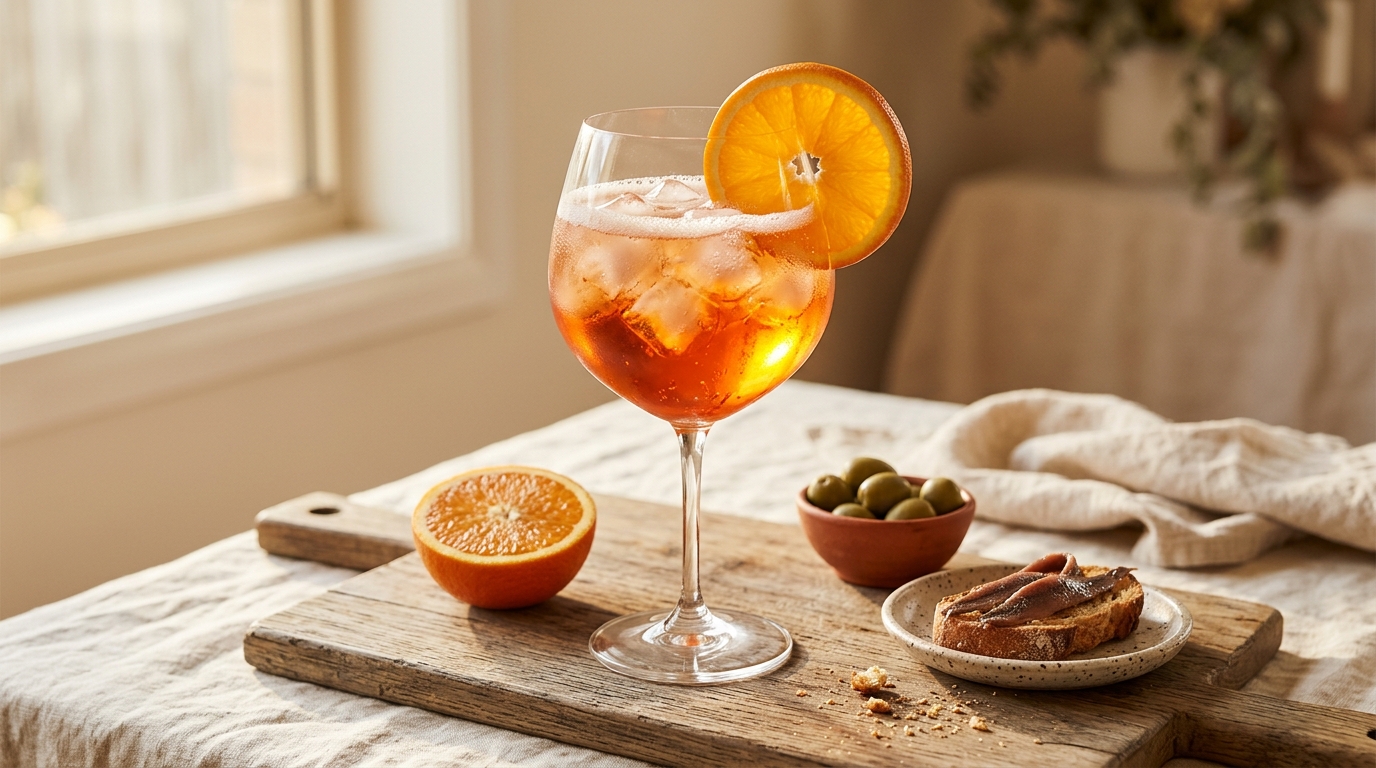
The Aperol Spritz
Three parts Prosecco, two parts Aperol, a splash of soda, a fat slice of orange. Low-ABV summer in a balloon glass.
Digestivo · Coffee
The Espresso Martini
Not traditional, but the flavour maths works. Bitter coffee, sweet liqueur, a clean close to an Italian dinner that everyone at the table will want.
The food on the table
Two of our Italian-leaning recipes are up, with more landing every week. Both were built around the wines above.
Recipe · Pasta
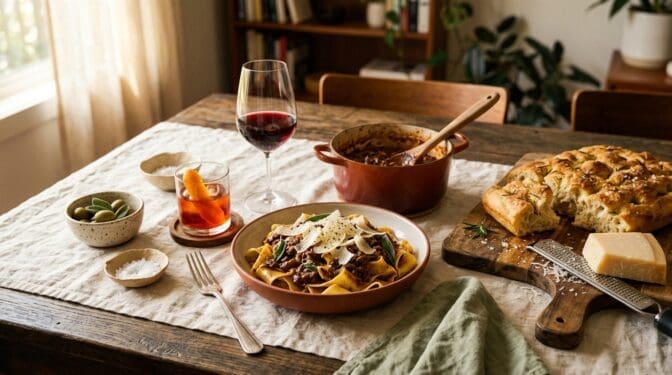
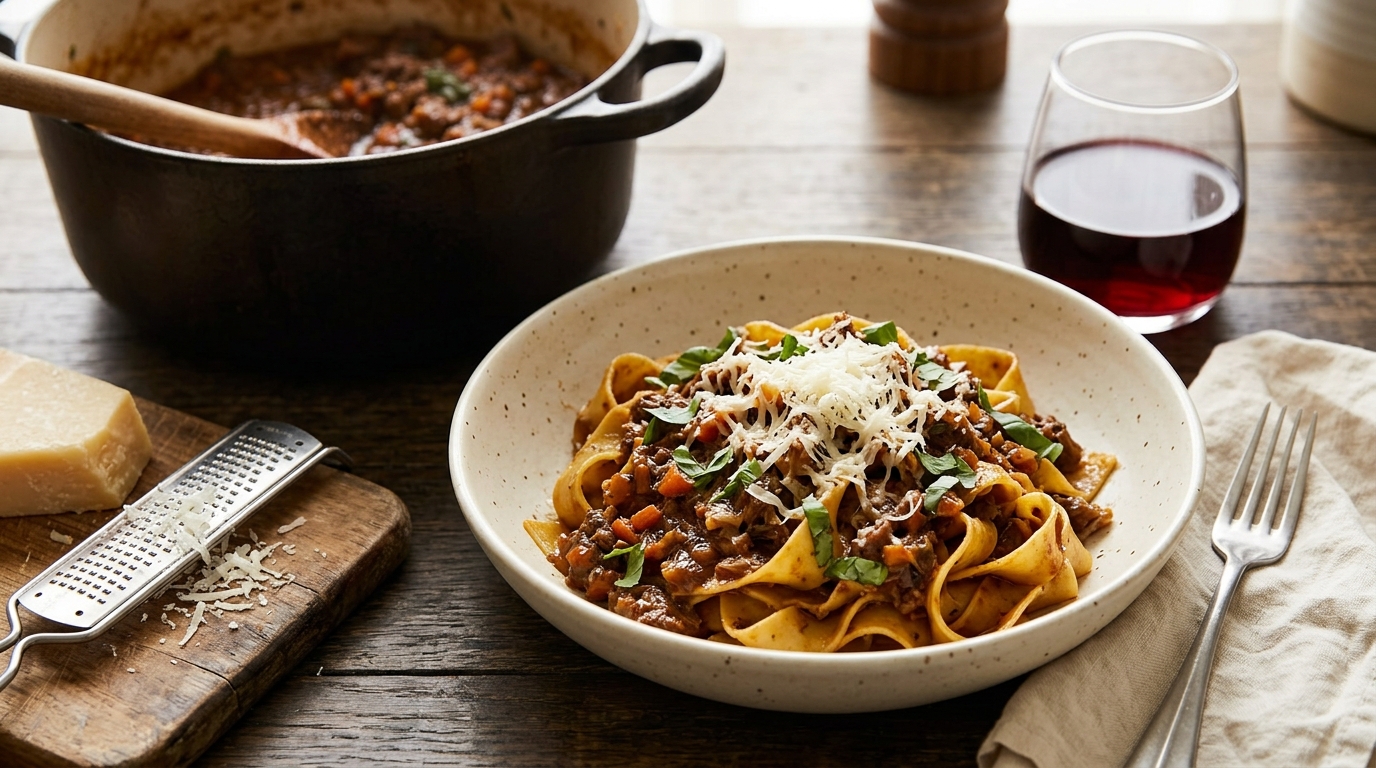
Pappardelle with slow ragu
Six hours of slow-cooked beef and pork on wide ribbons of pasta. The Chianti Classico pour was designed for this plate.
Recipe · Pasta
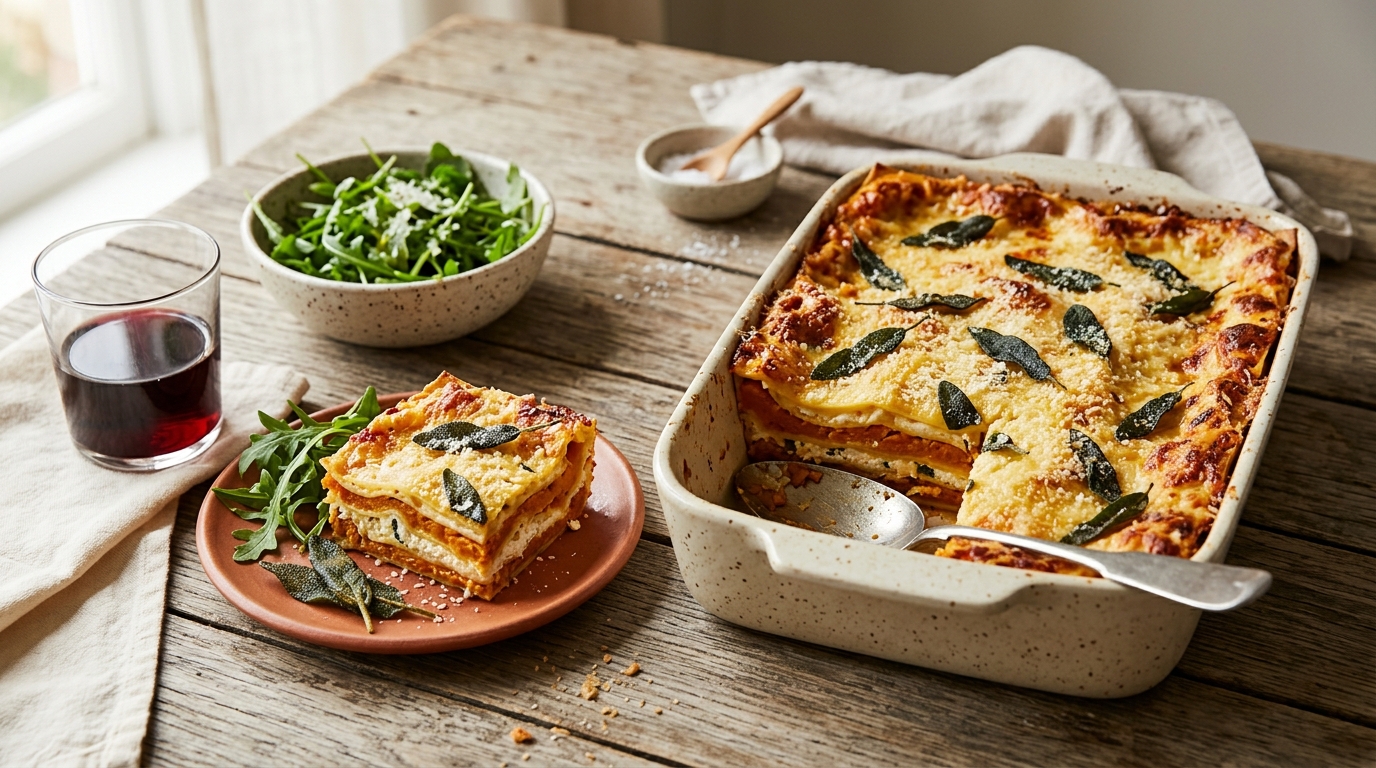
Roast pumpkin and ricotta lasagne
The autumn vegetarian answer. Blistered pumpkin, fresh ricotta, sage and brown butter. Pairs with Grenache or Sangiovese.
Coming soon
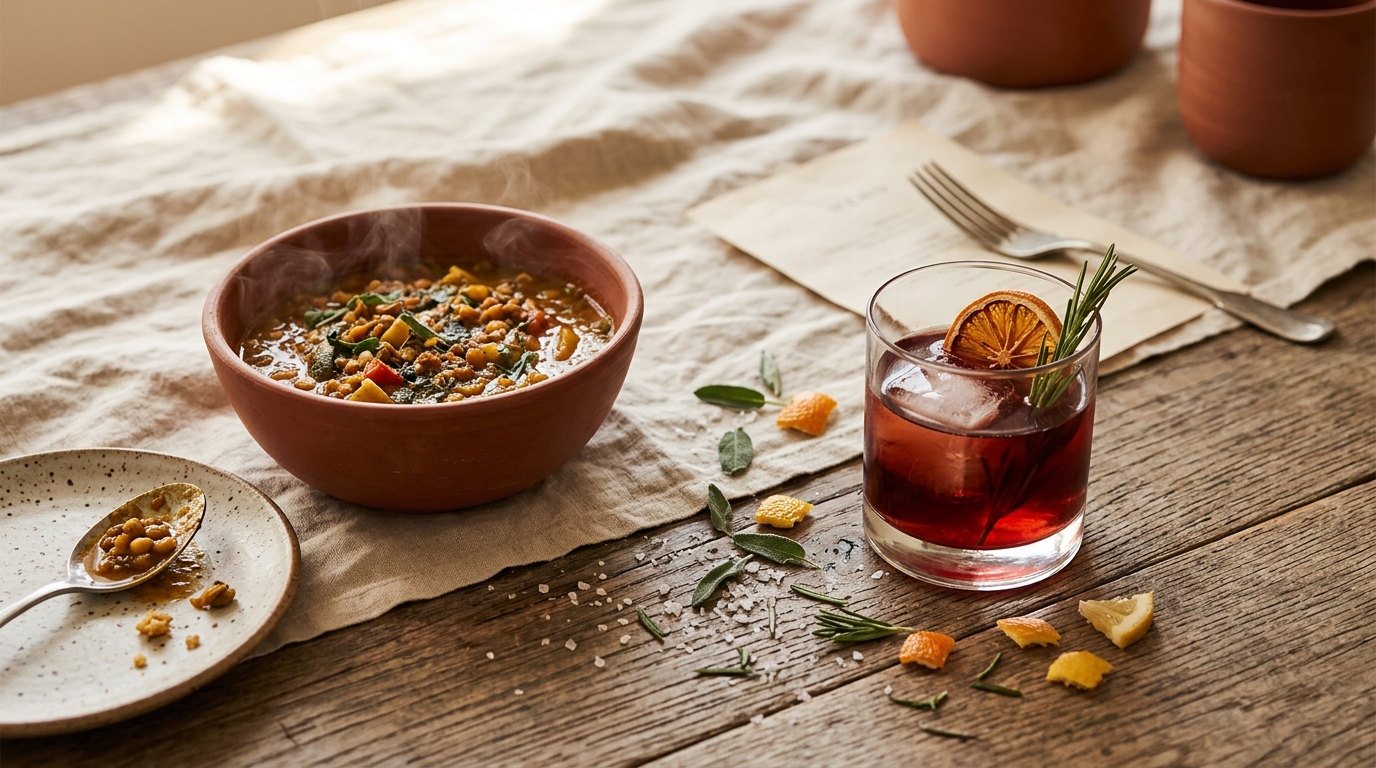
More Italian recipes on the way
Spaghetti vongole, osso buco, and the caprese-of-caprese are drafted and publishing in the next batches.
The bottles worth buying
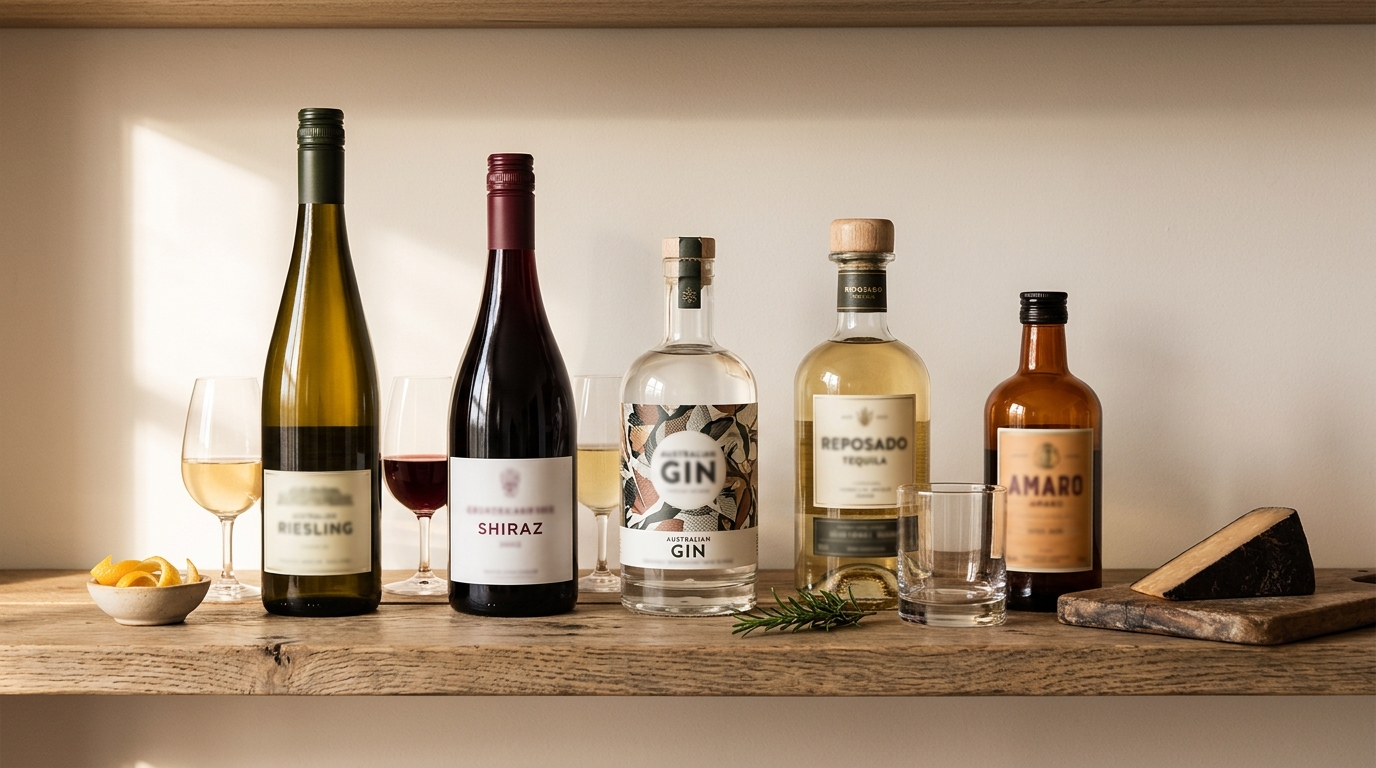
The shelf that keeps a negroni, a spritz and a glass of prosecco within arm’s reach.
Bitter aperitivo
Campari
The bittersweet red engine of the spritz, the negroni and half your drinks cabinet.
Bitter aperitivo
Aperol
Lower ABV, softer, orange-citrus. The Sunday afternoon cousin of Campari.
Sweet vermouth
Carpano Antica Formula Sweet Vermouth
Big, vanilla’d sweet vermouth that makes a Manhattan serious.
Sweet vermouth
Dolin Rouge Sweet Vermouth
The classicist pick for Negronis and Boulevardiers.
Sparkling
Dal Zotto Pucino Prosecco NV
Aussie-made Italian-style prosecco from the King Valley.
Liqueur
Luxardo Maraschino Liqueur
The bar-back secret behind an Aviation and a proper Martinez.
The Australian connection
Italian food in Australia is not imported, it is foundational. The Italian migration waves of the 1950s, 60s and 70s built entire regions of the country. Carlton, Leichhardt, Norwood. We grow excellent Italian grape varieties in Heathcote, Adelaide Hills, King Valley, Riverina. Pizzini in the King Valley is making Sangiovese and Nebbiolo that holds its own against most of Tuscany and Piedmont. Coriole in McLaren Vale pioneered Australian Sangiovese 40 years ago and has never slowed down.
Which means the right bottle for an Italian dinner doesn’t have to be Italian. It just has to drink the way Italian wine is supposed to: light on its feet, acidic, savoury, food-first.
If you only take one thing from this page: stop grabbing a Shiraz for Italian dinners. Reach for Sangiovese instead. And pour a Negroni before you start cooking.